
Branches Like Long Arms
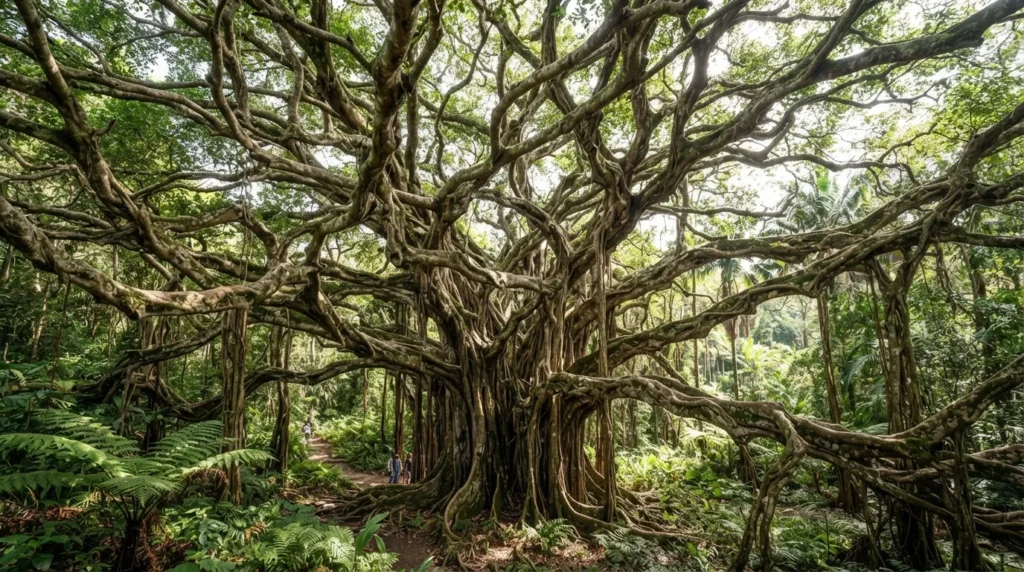
“Branches like long arms reaching toward the sky” is a natural simile for describing tall trees.
It emphasizes the way branches extend outward and upward as though the tree is reaching for something above it.
Example:
The branches stretched like long arms reaching toward the morning sun.
Branches Like Fingers
Branches often look like fingers extending from a hand, especially when they are thin and spread apart.
Example:
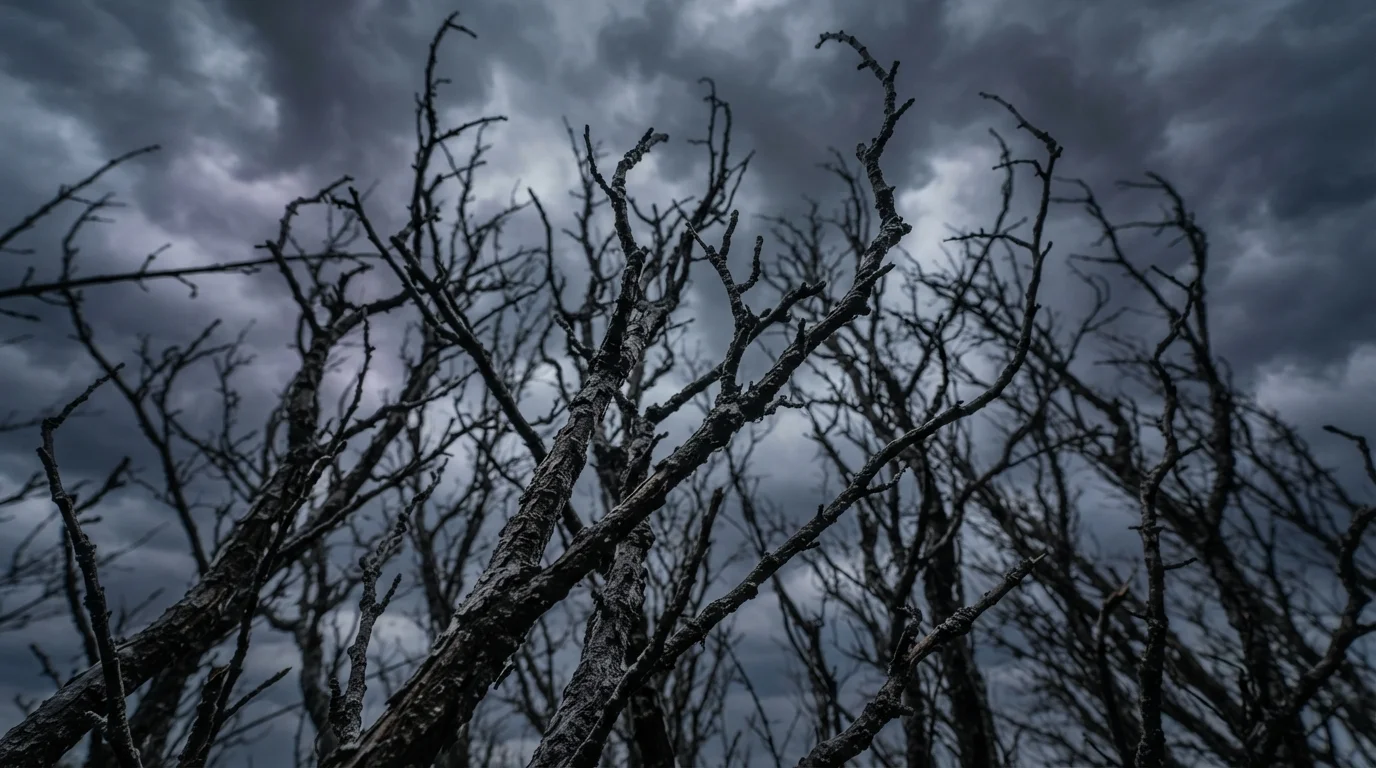
The bare branches looked like fingers scratching at the cloudy sky.
This comparison works particularly well for winter scenes or eerie landscapes.
Branches Like an Old Hand
Twisted, rough branches can resemble the crooked fingers of an elderly person’s hand.
Example:
The ancient branches curled like the fingers of an old hand.
This simile creates a sense of age, mystery, and character.
Branches Like Wooden Ladders
Some branches grow upward in layers, making them look like ladders leading toward the treetop.
Example:
The sturdy branches rose like wooden ladders toward the highest leaves.
This comparison is useful when describing climbing trees or forests.
Branches Like Veins
Thin branches spreading across a tree can resemble veins carrying life through a body.
Example:
The branches spread through the tree like veins carrying life through a living body.
This gives the tree a more organic and connected feeling.
Branches Like Roads
Branches divide and lead in different directions, much like roads branching away from a main path.
Example:
The branches stretched like winding roads leading into different parts of the forest.
This simile is especially useful when describing complicated tree structures.
Branches Like Open Arms
Wide branches can look like arms opened toward the sky.
Example:
The great branches spread like open arms welcoming the sunlight.
This creates a warm and welcoming image.
Branches Like Antlers
Large, bare branches can resemble the antlers of a deer.
Example:
The winter branches rose like giant antlers against the pale sky.
This is particularly effective in descriptions of leafless trees.
Branches Like Ribbons
Thin branches swaying gently in the breeze can be compared to ribbons moving through the air.
Example:
The slender branches danced like ribbons in the afternoon breeze.
This comparison emphasizes movement and delicacy.
Branches Like Bridges
Branches can connect different parts of a tree, making them similar to bridges.
Example:
The thick branches stretched like wooden bridges between the leafy crowns.
This simile highlights connection and structure.
Branches Like Tangled Ropes
When many branches overlap or twist together, they can look like ropes tangled into a complicated pattern.
Example:
The branches twisted like tangled ropes above the narrow path.
This works well for dense forests and wild landscapes.
Branches Like Spiderwebs
Thin branches silhouetted against the sky can resemble a giant spiderweb.
Example:
The bare branches spread like a spiderweb across the orange sunset.
This is a strong choice for atmospheric or poetic writing.
Branches Like Raised Hands
Branches reaching upward can resemble hands lifted toward the heavens.
Example:
The trees stood with branches like raised hands beneath the moonlight.
This gives the scene a peaceful or symbolic quality.
Similes for Strong Branches
If you want to emphasize strength, use comparisons that suggest durability and support.
- Branches like steel beams supporting a roof.
- Branches like sturdy arms holding up a canopy.
- Branches like strong bones supporting a body.
- Branches like wooden pillars beneath a green ceiling.
- Branches like solid bridges carrying a heavy load.
Example:
The massive branches stood like sturdy pillars beneath the enormous canopy.
Similes for Thin Branches
Thin branches can be described with delicate or fragile comparisons.
- Thin branches like delicate fingers.
- Thin branches like strands of thread.
- Thin branches like fine wires.
- Thin branches like fragile twigs.
- Thin branches like silver lines against the sky.
Example:
The thin branches looked like silver lines drawn across the winter sky.
Similes for Branches in the Wind
Moving branches can create beautiful visual imagery.
- Branches like dancers swaying to music.
- Branches like ribbons fluttering in the breeze.
- Branches like waves rolling across the treetops.
- Branches like arms waving goodbye.
- Branches like feathers trembling in the wind.
Example:
The branches swayed like dancers moving to an invisible melody.
Similes for Bare Branches
Bare branches often create a quiet, dramatic, or lonely atmosphere.
- Bare branches like skeletal fingers.
- Bare branches like black veins against the sky.
- Bare branches like antlers in the mist.
- Bare branches like cracks across a gray canvas.
- Bare branches like dark hands reaching upward.
Example:
The bare branches looked like dark fingers against the fading winter sky.
Similes for Beautiful Branches
For a softer and more beautiful description, choose comparisons connected with nature and art.
- Branches like a green crown.
- Branches like graceful arms.
- Branches like delicate lace.
- Branches like ribbons of green.
- Branches like a living sculpture.
Example:
The flowering branches spread like delicate lace against the blue sky.
Similes for Twisted Branches
Twisted branches can suggest age, struggle, mystery, or unusual beauty.
- Twisted branches like old ropes.
- Twisted branches like winding snakes.
- Twisted branches like crooked fingers.
- Twisted branches like tangled wire.
- Twisted branches like ancient sculptures.
Example:
The twisted branches curled like old ropes around the trunk.
Branches in Poetry and Creative Writing
Branches are powerful symbols because they can represent growth, connection, reaching, protection, family, and resilience.
A poet might describe branches as arms reaching for hope, fingers touching the heavens, or roads carrying life toward the leaves.
Example:
The branches reached like hopeful hands toward the first light of dawn.
This kind of comparison gives branches an emotional meaning instead of simply describing their physical appearance.
Choosing the Right Simile for Branches
The best comparison depends on the mood and purpose of your writing.
| Description | Useful Simile |
|---|---|
| Strong branches | Steel beams |
| Thin branches | Delicate fingers |
| Twisted branches | Old ropes |
| Bare branches | Skeletal fingers |
| Moving branches | Dancing ribbons |
| Wide branches | Open arms |
| Tall branches | Wooden ladders |
| Complex branches | Tangled roads |
| Beautiful branches | Green lace |
| Old branches | Crooked fingers |
| Branches in sunlight | Golden arms |
| Branches in winter | Dark veins |
Common Mistakes When Using Branch Similes
Avoid choosing a comparison simply because it sounds poetic. The image should match the actual appearance or movement of the branches.
For example, “branches like delicate ribbons” works for thin branches moving gently in the wind, but it may not suit thick, heavy limbs.
It is also better to avoid repeating the same comparison throughout a piece. Mixing images such as arms, fingers, roads, bridges, and antlers creates richer descriptions.