

Similes for Terrorism as Fear
Terrorism can create fear that affects how people experience ordinary places and activities.
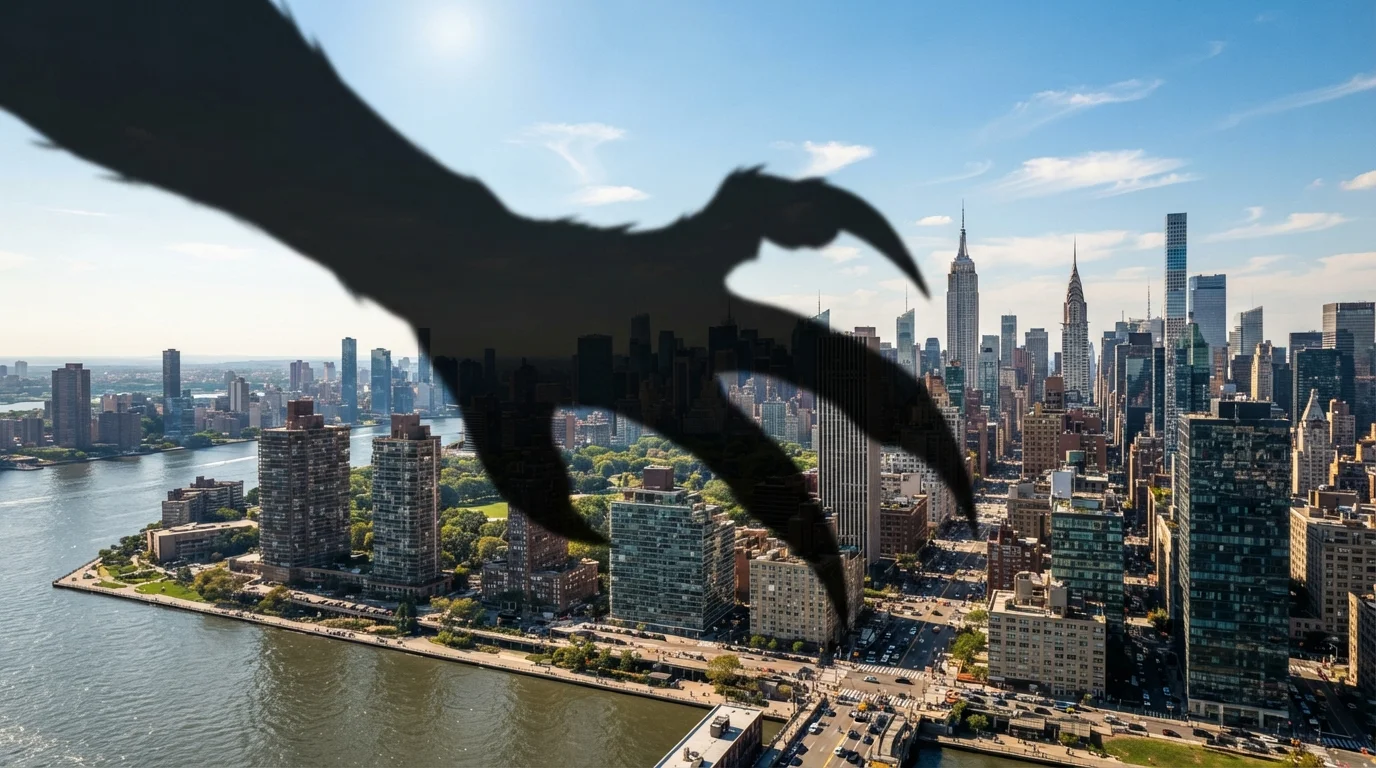
Like a dark veil covering a city
A veil can obscure what was once clear and familiar.
Fear spread through the city like a dark veil covering everything.
Like an alarm ringing in the middle of silence
This comparison emphasizes sudden fear and disruption.
The news arrived like an alarm ringing in the middle of silence.
Like a storm cloud gathering overhead
A gathering storm can represent fear that gradually dominates the atmosphere.
The threat hung over the residents like a storm cloud gathering overhead.
Similes for Terrorism as Destruction
Destructive imagery can describe the damage caused by violence without making the violence itself seem admirable.
Like a broken window in a peaceful home
A broken window can symbolize the sudden intrusion of violence into ordinary life.
The attack felt like a broken window in a peaceful home.
Like frost destroying a garden
This suggests something damaging a place that had previously been growing peacefully.
The violence affected the community like frost destroying a garden.
Like a fire leaving ruins behind
This focuses attention on the consequences left after destruction.
The aftermath remained like a fire leaving ruins behind.
Similes for Terrorism and Collective Trauma
The effects of terrorism can remain in the memories of people and communities.
Like a scar etched into memory
This represents an event that continues to be remembered.
The tragedy remained like a scar etched into memory.
Like a photograph that cannot be erased
This suggests a memory that remains vivid.
The event stayed in their minds like a photograph that could not be erased.
Like a stone carried in the heart
This comparison communicates emotional heaviness.
The grief remained like a stone carried in the heart.
Similes for Terrorism and Social Division
Fear and mistrust can affect relationships between individuals and communities.
Like a bridge collapsing between neighbors
A collapsed bridge represents broken communication and connection.
The violence left mistrust like a bridge collapsing between neighbors.
Like a fracture running through society
This emphasizes division that can spread through a community.
Terrorism can leave a fracture running through society.
Like a fence growing between friends
This suggests increasing emotional distance.
Fear can become like a fence growing between friends.
Similes for Terrorism and Instability
Terrorism can disrupt the sense of stability people associate with everyday life.
Like an earthquake beneath solid ground
An earthquake represents sudden instability.
The attack shook the community like an earthquake beneath solid ground.
Like a sudden wave hitting a quiet shore
This emphasizes unexpected disruption.
The violence arrived like a sudden wave hitting a quiet shore.
Like a loose stone in a strong foundation
This can represent something that threatens an otherwise stable structure.
The threat became like a loose stone in a strong foundation.
Similes for the Impact on Ordinary Life
Terrorism can change how people experience familiar places, routines, and surroundings.
Like a shadow over a schoolyard
This comparison emphasizes how fear can enter ordinary civilian spaces.
The threat felt like a shadow over the schoolyard.
Like silence replacing familiar music
This suggests the loss of normality.
The streets became like silence replacing familiar music.
Like winter entering a warm house
This represents an unwanted change in a previously safe environment.
Fear entered their daily lives like winter entering a warm house.
Poetic Similes for Terrorism
Poetic comparisons can express grief and disruption through symbolic imagery.
- Like a dark page in a book of peaceful memories
- Like winter beneath a summer sky
- Like smoke hiding the stars
- Like a broken chord in a beautiful song
- Like a cold wind crossing a field of flowers
- Like midnight falling over a bright horizon
- Like rain falling on an empty garden
- Like a torn page in a family album
Example:
The tragedy remained like a torn page in the community’s family album.
Similes for the Aftermath of Terrorism
The aftermath may involve grief, rebuilding, remembrance, and attempts to restore stability.
Like a house being rebuilt stone by stone
This represents gradual recovery.
The community rebuilt itself like a house being restored stone by stone.
Like a garden returning after winter
This suggests renewal after hardship.
Hope returned like a garden growing again after winter.
Like a road repaired after a landslide
This represents the restoration of connections and everyday life.
The community’s recovery was like a road repaired after a landslide.
Like sunrise after a night of darkness
This symbolizes hope after suffering.
Their determination was like sunrise after a night of darkness.
Creative and Respectful Similes for Terrorism
When writing creatively, comparisons can be powerful while remaining focused on human consequences.
Like a chain reaction of fear
This emphasizes how fear can spread from one person or place to another.
Like a dark mark on collective memory
This represents an event that becomes part of a community’s history.
Like smoke spreading through a quiet street
This conveys uncertainty and disruption.
Like a torn thread in a woven fabric
This symbolizes damage to social relationships.
Like a storm leaving broken branches behind
This emphasizes the aftermath rather than the act itself.
Similes for Terrorism in Academic Writing
For essays and formal discussions, restrained comparisons are usually more effective.
- Terrorism like a fracture in social cohesion
- Terrorism like a disruption in civic stability
- Terrorism like a wound affecting collective memory
- Terrorism like a force that weakens public trust
- Terrorism like a barrier between communities
- Terrorism like a destabilizing pressure on society
Example:
Terrorism can be compared to a fracture in social cohesion because its consequences may affect relationships and public trust beyond the immediate event.
Similes for Terrorism in Different Contexts
| Context | Simile | Meaning |
|---|---|---|
| Fear | Like a dark veil | Fear covering ordinary life |
| Sudden disruption | Like an alarm in silence | Unexpected shock |
| Destruction | Like fire leaving ruins | Lasting physical damage |
| Trauma | Like a scar in memory | Long-term emotional impact |
| Grief | Like a stone in the heart | Emotional burden |
| Division | Like a collapsed bridge | Broken relationships |
| Instability | Like an earthquake | Sudden uncertainty |
| Social damage | Like a spreading fracture | Growing division |
| Recovery | Like a garden after winter | Renewal |
| Hope | Like sunrise after darkness | Return of optimism |
How to Choose the Right Simile for Terrorism
Choose the image according to the particular effect you want to describe.
For fear, use shadows, veils, alarms, clouds, or darkness.
For destruction, consider broken windows, fires, storms, or damaged gardens.
For trauma and grief, scars, photographs, stones, and torn pages can communicate lasting emotional effects.
For social division, bridges, fences, fractures, and broken threads can illustrate damaged relationships.
For recovery, gardens, repaired roads, rebuilding, and sunrise can communicate renewal and hope.
Common Mistakes When Using Similes for Terrorism
Avoid comparisons that portray terrorism as heroic, exciting, glamorous, or admirable. The subject is better served by imagery that communicates its consequences for people and communities.
Avoid unnecessary graphic details as well. A powerful comparison does not need excessive description to communicate fear or loss.
Finally, make sure the simile matches the purpose of your writing. A poetic comparison may work well in creative writing but sound inappropriate in a formal academic essay.